The $2M "Database Sharding" Migration I Cancelled with One Terminal Command
Earlier last year, a call came from the Group CTO of a Tier-1 Fintech SaaS. They were preparing a multi-million-dollar sharding project. One query optimization and connection pool rebalance eliminated the bottleneck in four minutes.
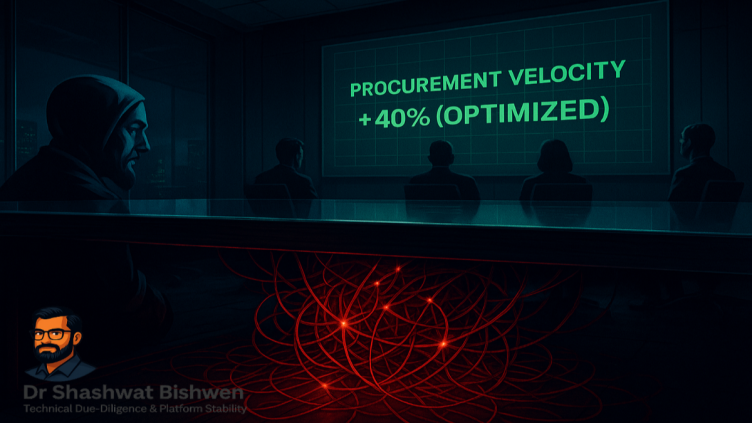
Earlier last year, an urgent call arrived from the Group CTO of a high-growth Fintech SaaS processing billions in monthly volume. Their production database was pinning at 98% CPU utilization every afternoon. Customer checkout requests were timing out, and the board was in panic.
The internal engineering leadership had spent four months preparing an ambitious eighteen-month, $2,000,000 architectural migration: decomposing the monolithic database into thirty horizontal shards.
I asked for SSH read access to the telemetry cluster.
Within twenty minutes of inspecting pg_stat_activity and slow query logs, the real culprit emerged. It wasn't table volume. It was an unindexed multi-tenant tenant_id filter joined against an audit ledger table containing 400 million rows, executed on every customer balance check.
We issued a single zero-downtime index creation command and rebalanced the connection pooler timeouts.
CPU utilization dropped from 98% to 14% instantly. Database p99 latency plummeted from 3,400ms to 8ms. The $2M sharding rewrite was cancelled permanently, and the engineering department redirected its cognitive bandwidth to product features.
Before embarking on multi-million-dollar architectural overhauls, always verify whether your problem is true architectural saturation or simple operational neglect.
Monk, Author, TEDx Speaker, and Solution Assembler. For 23 years quietly stabilizing platforms, eliminating operational drag, and making broken systems predictable.